Ads
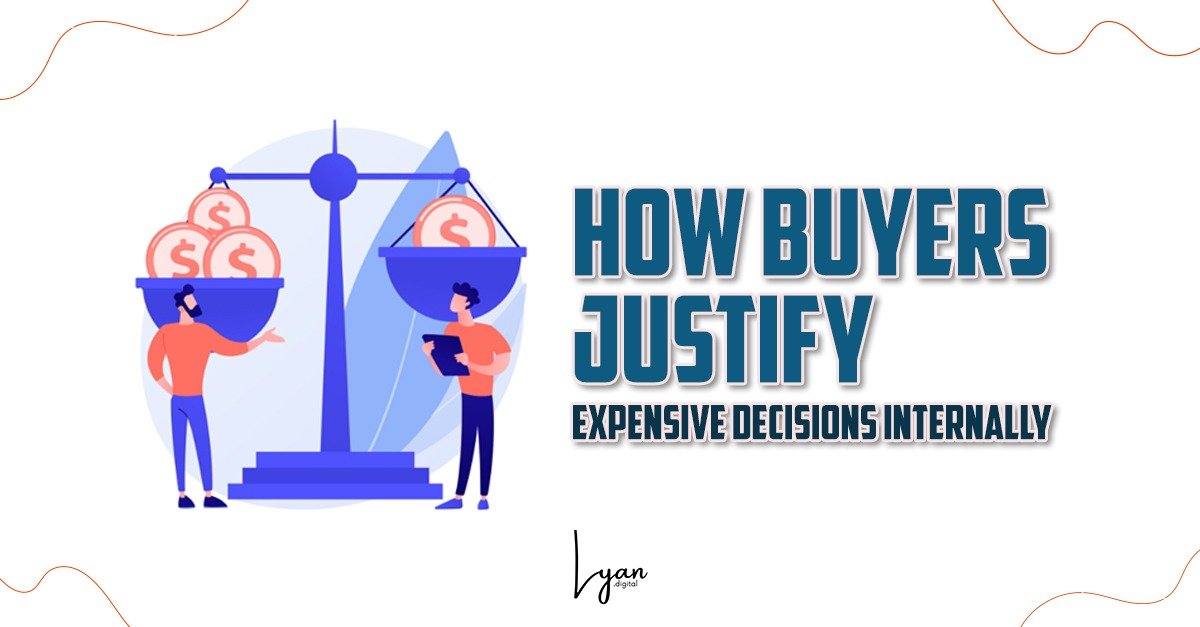
How Buyers Justify Expensive Decisions Internally
Closing the deal isn’t the finish line. For the buyer… it’s actually the beginning. Because the moment they say yes to something expensive, they’re already

Closing the deal isn’t the finish line. For the buyer… it’s actually the beginning. Because the moment they say yes to something expensive, they’re already
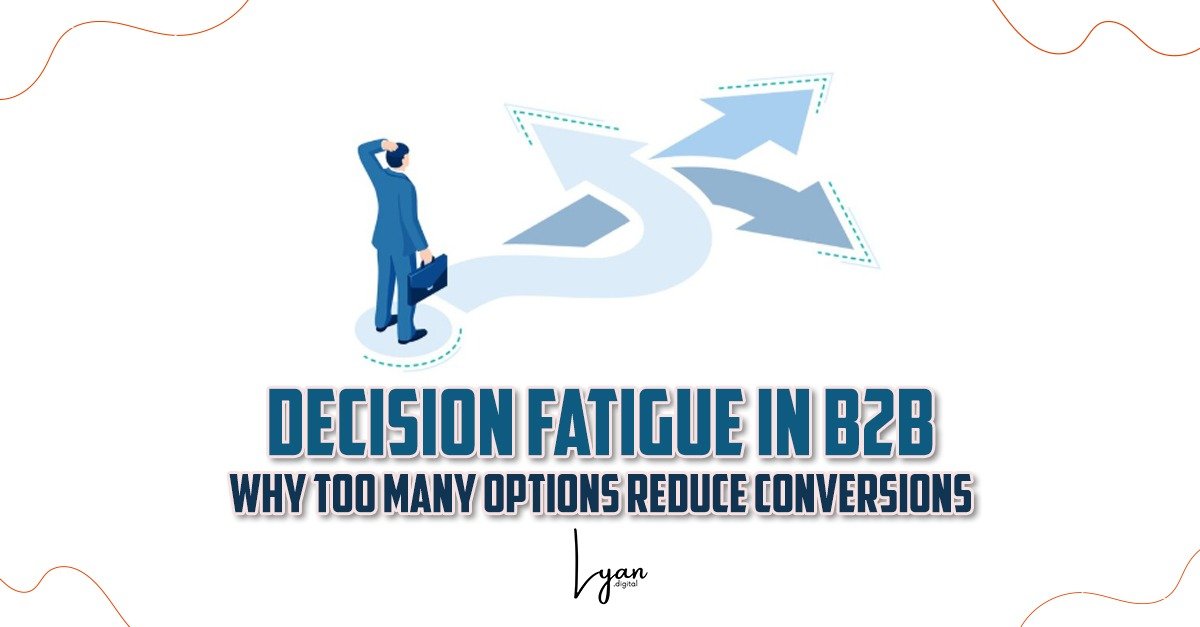
You think you’re making it easier for them. More options. More flexibility. More ways to say yes. Different packages. Custom approaches. Multiple directions. From your
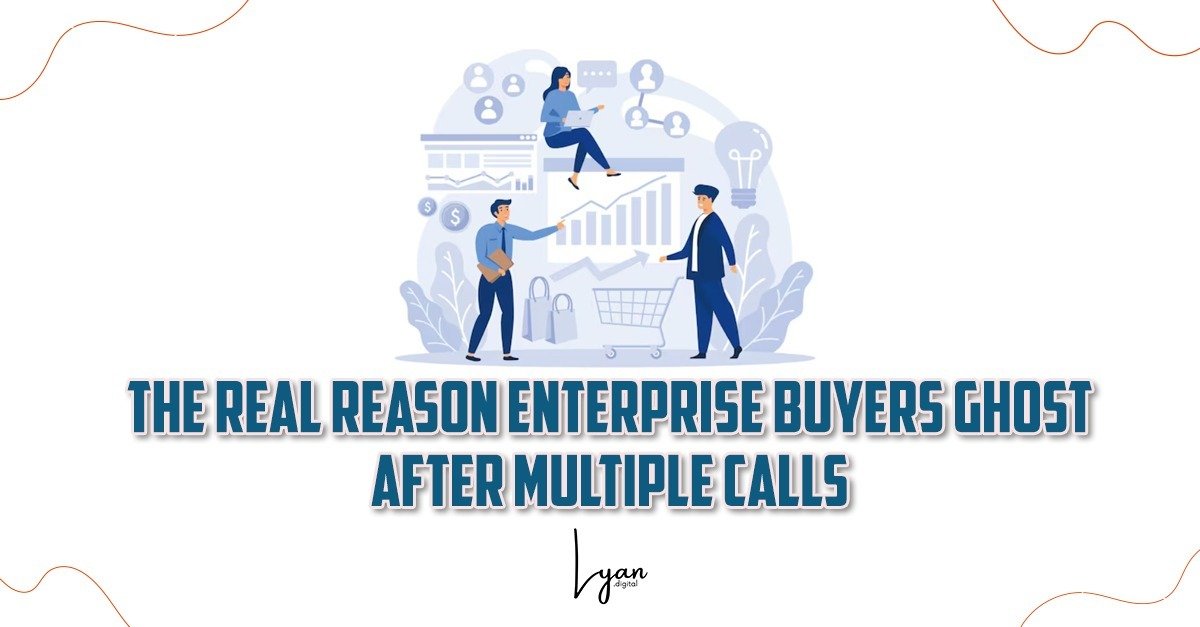
This one stings a little more. Because it’s not a cold lead. Not someone who ignored you from the start. This is someone who: took
This one stings a little more. Because it’s not a cold lead. Not someone who ignored you from the start. This is someone who: took
This one stings a little more. Because it’s not a cold lead. Not someone who ignored you from the start. This is someone who: took
Most founders think they’re losing deals because they didn’t explain enough. So, they add more. More data. More slides. More proof. They walk into calls
Revenue forecasting is often treated as a mathematical exercise. Probability percentages, deal stages, weighted pipelines everything looks structured inside the CRM. But when the quarter
Most teams assume that once a demo goes well, the hardest part is over. The prospect understands the product, asks the right questions, and even

Most pipelines are built to collect leads, not filter them. The result is predictable: high activity, inconsistent quality, and sales teams spending time separating curiosity
On paper, everything looks strong. There are leads in the CRM, deals in progress, demos booked, proposals sent. The pipeline dashboard feels active and reassuring.