Ads
Why Publishing More Content Isn’t Bringing You More Customers
There was a time when publishing regularly was almost a strategy by itself. Write blogs, post on LinkedIn, send newsletters, stay active on social media,

There was a time when publishing regularly was almost a strategy by itself. Write blogs, post on LinkedIn, send newsletters, stay active on social media,
A lot of businesses put enormous effort into getting the first meeting. They run ads, build landing pages, send outreach messages, attend events, ask for
There’s a pattern I’ve seen with businesses running digital marketing. Website enquiries slow down, so the first response is to increase traffic. Spend more on
A few weeks ago, I was looking for a local supplier online. I searched for exactly what I needed, clicked through the first few results,
Imagine you’re comparing two companies. The first one looks impressive. Their approach is different, their ideas are fresh, and they promise a better result. The
If you’ve been in business long enough, you’ve probably heard this before: “Looks good. We’ll get back to you.” At first, it sounds promising. The
When sales slow down, most businesses arrive at the same conclusion. “We need more leads.” So they increase ad spend, hire agencies, launch campaigns, and
Most businesses are surprisingly good at measuring what happened. They know how many enquiries came in, how many sales were closed, and how much revenue
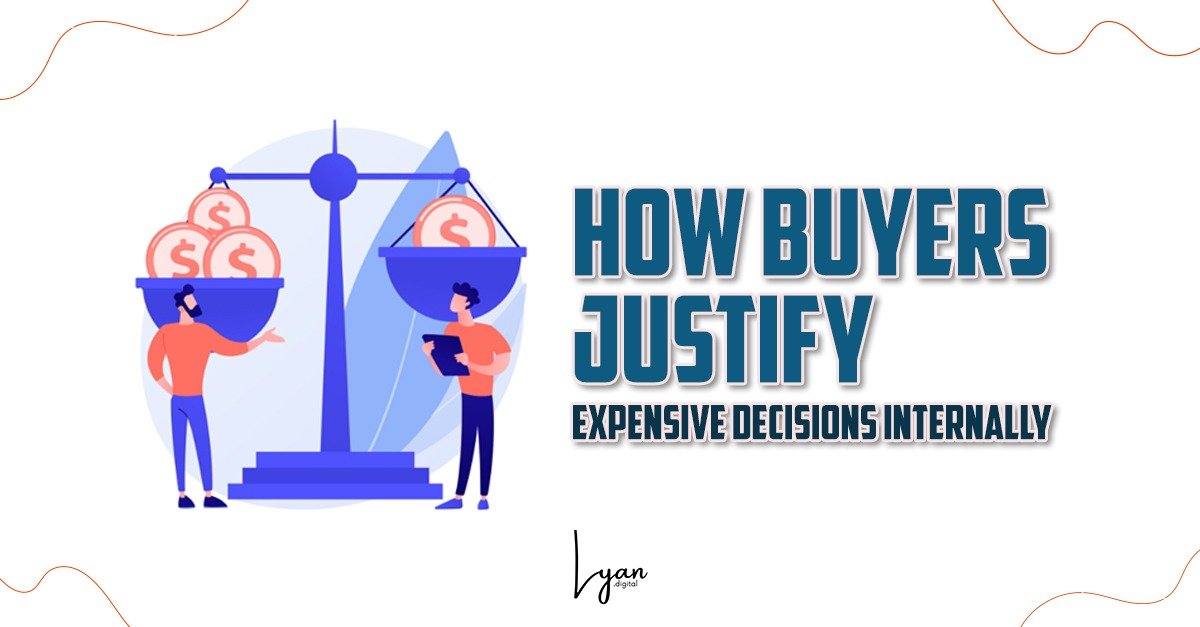
Closing the deal isn’t the finish line. For the buyer… it’s actually the beginning. Because the moment they say yes to something expensive, they’re already
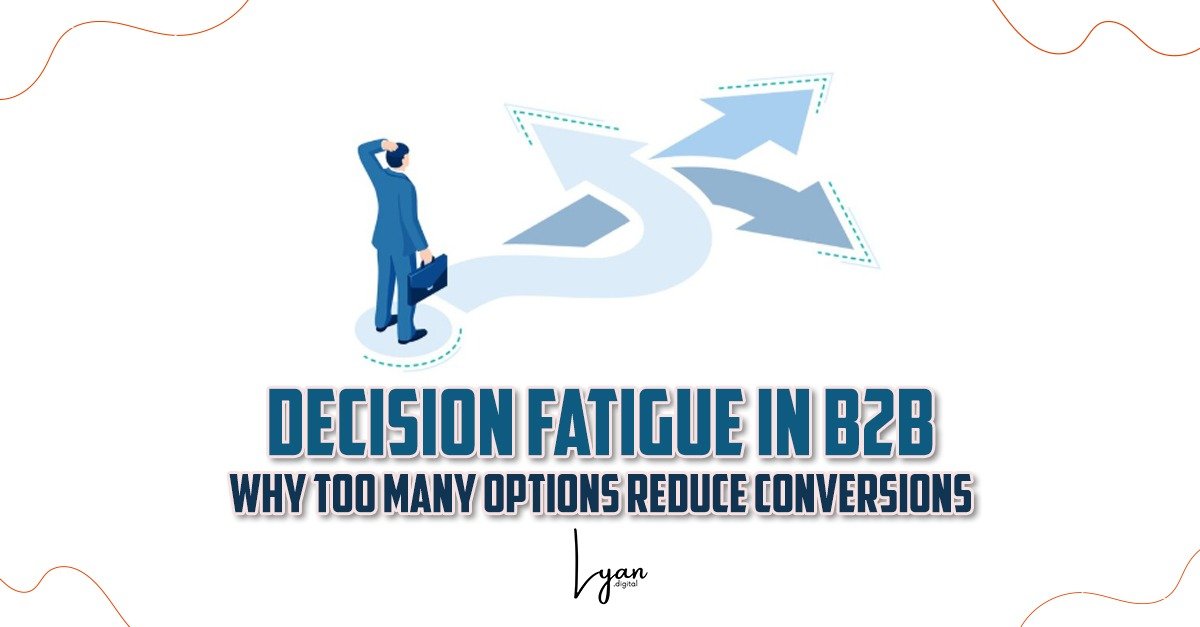
You think you’re making it easier for them. More options. More flexibility. More ways to say yes. Different packages. Custom approaches. Multiple directions. From your